Article: Sound, Vibration and Frequency: Why Sound Can Feel So Powerful
Sound, Vibration and Frequency: Why Sound Can Feel So Powerful
Sound is vibration.
It is such a simple statement, yet once you really begin to think about it, it changes the way you listen.
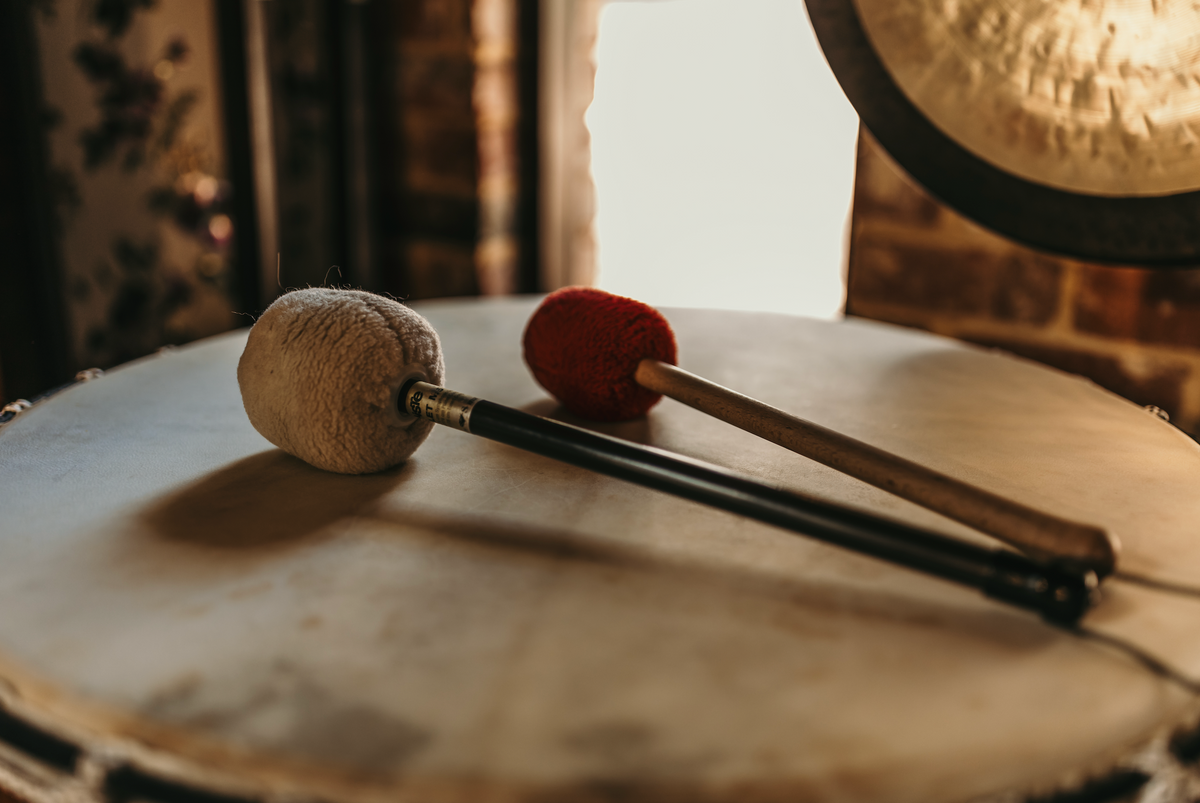
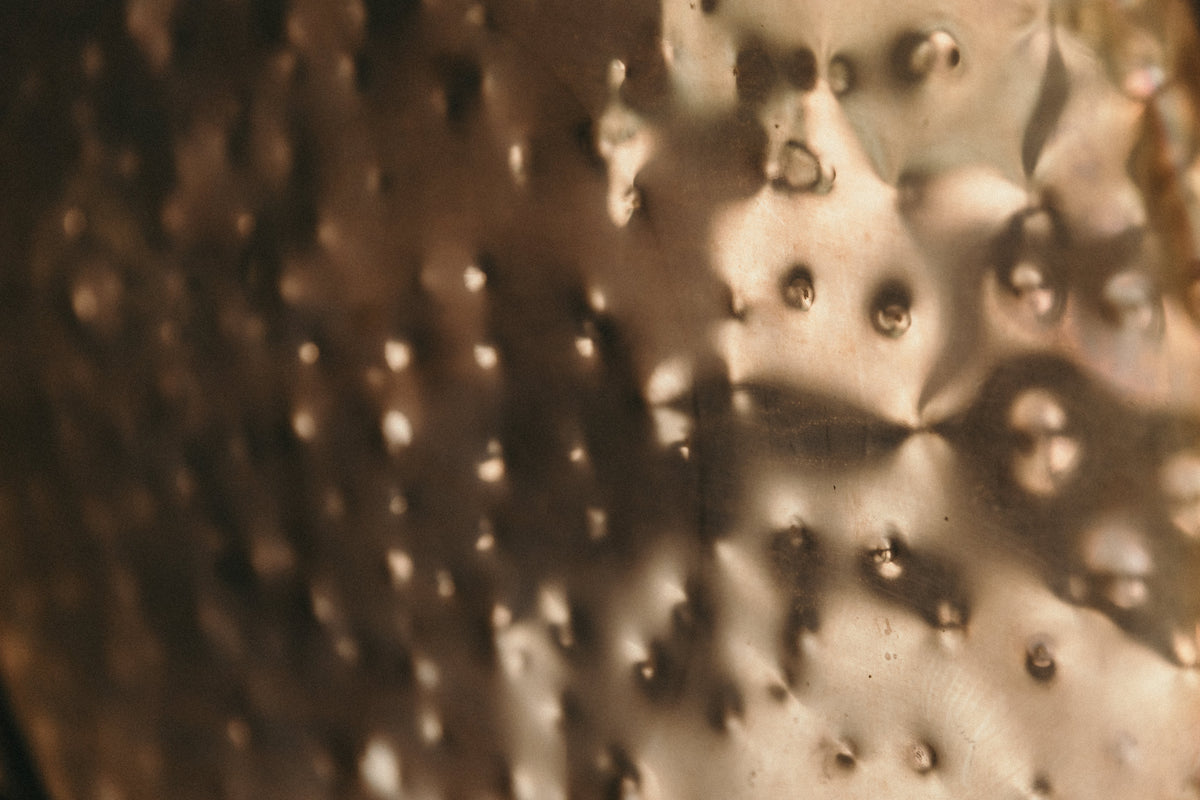
A gong is struck and the specially crafted metal begins to move. A singing bowl is played and its rim vibrates. A drum skin moves backwards and forwards. Our vocal cords vibrate when we speak, hum or chant.
Those movements create waves that travel through the air and the materials around us. Our ears interpret some of those vibrations as sound, while lower or stronger vibrations may also be noticed physically in the body.
This is part of what makes an immersive sound experience so different from simply hearing music in the background. You are not only listening to a tune. You are sitting or lying within an environment of changing tones, textures, rhythms, silences and resonance.
At The Sound Temple, this relationship between sound, vibration and frequency has always been at the centre of what we do.
What is frequency?
Frequency simply describes the rate at which something is vibrating.
In sound, frequency is measured in hertz, or Hz. A lower-frequency sound vibrates fewer times each second and is generally heard as a deeper tone. A higher-frequency sound vibrates more quickly and is generally heard as a higher tone.
Think of the difference between a deep gong and a small chime. Both are creating sound, but their frequencies, overtones and the way we experience them can be very different.
Human hearing only detects part of the enormous range of vibration that exists around us. Some frequencies sit below or above what our ears can consciously hear, while vibration can also travel through solid materials as well as through the ether.
That is why sound can sometimes feel surprisingly physical. A strong low tone can seem to move through the room. A drum may be felt through the floor. A gong can create layers of resonance that seem to surround you rather than come from one obvious direction.
What is resonance?
Resonance is another word we use often at The Sound Temple.
In simple terms, resonance occurs when vibration causes another object or space to respond strongly at particular frequencies. You can hear this naturally in musical instruments, in the human voice and in the acoustic character of different rooms.
Walk into an empty hall and clap your hands and you immediately notice how the room shapes the sound. Sing in a tiled bathroom and your voice feels different again.
Our custom-built Sound Temple chamber was created specifically with sound in mind. The cedar-lined walls, jarrah floor, the pyramidal shape of the room and enclosed design all contribute to the way sound moves through the space.
At times, the resonance becomes so enveloping that it can be difficult to tell where the sound is coming from. A tone may seem to be beside you, above you and around you all at once.
For people new to Sound Healing, this can be one of the most surprising parts of the experience.
Why do different sounds feel different?
Not all sound affects our attention in the same way.
A sudden sharp sound can make us alert. A repetitive gentle sound may become soothing. A familiar voice can create a sense of comfort, while an unexpected noise can immediately pull us out of our thoughts.
This is something we experience every day without necessarily thinking about it.
During a Sound Healing Session, the soundscape is created more intentionally. Deep gongs may be followed by delicate bells or chimes. A drum may introduce rhythm. Crystal singing bowls can hold sustained tones. The human voice may enter through humming, toning or chant.
Then there is silence.
The contrast between sound and silence is important too. After a powerful vibration fades away, the quiet that follows can feel unusually spacious. Sometimes it is in that space that we become most aware of our breathing, our body and just how busy our minds had been.
Can sound help us relax?
Many people come to sound experiences because they want to slow down, switch off and rest.
Research into music, sound-based relaxation and singing bowl practices is continuing to develop. Some studies have reported reductions in self-reported tension, anxiety or stress after sound-based interventions and the scientific evidence specifically for sound baths and sound healing is at the forefront of what is being researched right now.
For us, that distinction matters.
We do not believe you need an extraordinary scientific claim to explain why giving yourself uninterrupted time to lie down, close your eyes, breathe, listen and remove yourself from everyday stimulation can be valuable.
Sometimes the experience is powerful precisely because there is nothing expected of you.
No phone.
No conversation to maintain.
No list to finish.
Nothing to achieve.
Just sound, stillness and time.
Nothing to explain, nothing to write, nothing to share. Just time for you.
What do people mean by 'healing frequencies'?
You may have heard expressions such as healing frequencies, high vibration, sacred sound or frequency healing.
These phrases are used in many different ways across traditional practices, spiritual teachings, music, meditation and modern wellness. For some people, frequency is understood through physics. For others, it also carries a spiritual or energetic meaning.
At The Sound Temple, we are comfortable holding space for both curiosity and personal experience.
The measurable part is straightforward: sound has frequency, sound creates vibration and spaces and objects resonate differently.
The personal part is much more individual.
One person may feel deeply moved by the low resonance of a gong or the didgeridoo. Another may connect strongly with voice or mantra. Someone else may simply notice that they have finally stopped thinking about work for an hour.
You do not need to adopt a particular belief system to experience sound.
You can simply notice what happens for you.
The human voice is an instrument too
One of the oldest sound-making instruments we have is our own voice.
Long before recorded music, amplification or modern sound equipment, people used voice in song, chant, prayer, storytelling and ceremony.
Humming, chanting and toning create vibration internally as well as sound externally. You can feel this for yourself by gently humming and noticing the vibration around your chest, throat, mouth and face.
This is one reason voice work continues to sit naturally beside instruments such as gongs, bowls and drums at The Sound Temple.
It reminds us that sound is not something separate from us.
We create it too.
Why the space matters
Sound never happens in isolation.
The instrument matters. The facilitator matters. The listener matters. And the space matters.
The Sound Temple sits amongst five acres of jarrah bush in Sawyers Valley near Mundaring in the Perth Hills. Inside, our cedar and jarrah chamber has been created to hold resonance and space for you. Outside, the natural soundscape changes throughout the year - birds, wind, rain, insects and the quiet rhythms of the bush.
We also ask people to leave their phones outside the chamber so the session becomes a genuine opportunity to unplug.
All of these elements contribute to the experience.
There is the sound we intentionally create.
There is the natural sound around us.
And there is the silence in between.
You don't have to understand sound to experience it
You do not need to know the frequency of a gong to feel its resonance.
You do not need to understand acoustics to notice how different the chamber sounds from an ordinary room.
And you do not need to decide whether an experience was scientific, spiritual, emotional or simply relaxing.
Sometimes our minds want to understand everything before we allow ourselves to experience it.
Sound gives us an opportunity to do the opposite.
Listen first.
Notice.
Feel what you feel.
Let the sound disappear.
And notice the quiet that is left behind.
Perhaps that is part of the power of sound:
it asks very little of us, yet gives us something beautiful to pay attention to.